How Bridge And Other Classic Card Games May Have Influenced Casino Games
Card games have a long and extremely varied history. Long before casinos became popular entertainment venues, people were gathering around tables to play trick-taking games or simply enjoying the strategy involved. Bridge and other traditional card games helped shape the way many people thought about cards and competition.
These games were not originally connected to casinos in the way modern players might expect. Bridge developed as a social game that emphasized partnership and careful planning. The influence of these older card traditions began to appear across the broader gaming world.
Varying levels of traces of those early card games can still be spotted in modern casino games and digital formats.
Card Imagery And The Visual Language Of Slot Games
Slots may seem far removed from traditional card tables. The gameplay is very different. Players spin reels and watch symbols line up. The mechanics are based on random outcomes rather than card combinations.
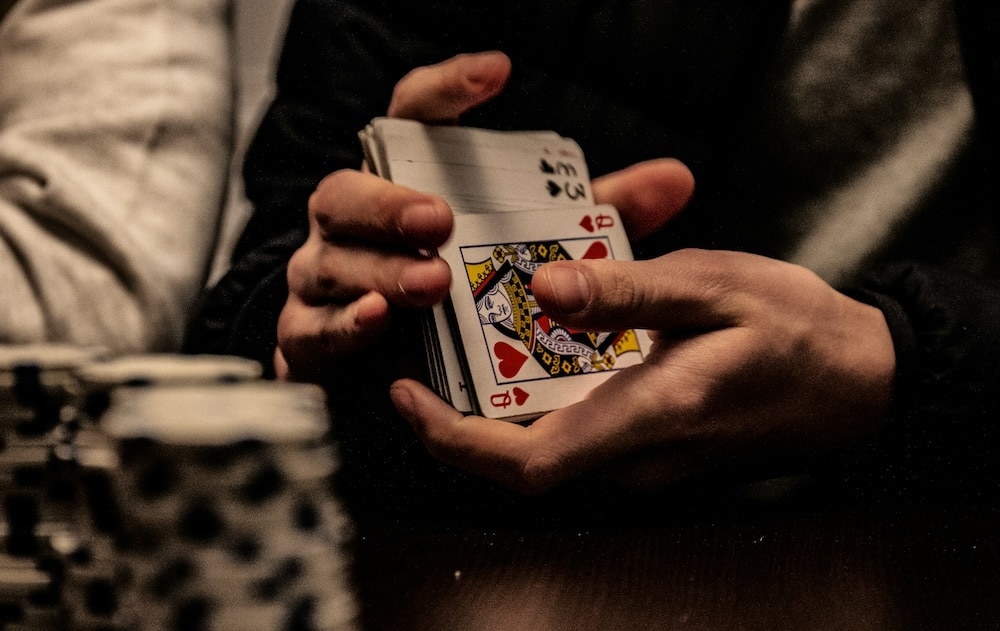
But the influence is clear. Slot games still borrow heavily from card imagery. Face cards such as kings and queens appear constantly in slot symbols. The suits from a standard deck often appear as well.
This visual connection is not accidental. Card symbols are instantly recognizable to a lot of casino players. Players understand them without needing instructions. A king symbol or a queen symbol already carries meaning because people have seen those cards countless times before. They also know the value of them based on games like bridge. Kings and Aces are known to be high-value.
Early mechanical slot machines leaned heavily on this imagery. They often displayed playing card suits alongside other icons like horseshoes or bells. Even as modern slots have moved toward elaborate themes involving mythology or fantasy worlds, those classic card symbols still appear regularly.
We see new slot games released all the time. Some of the most popular options rely on technology even more than historic slots. We see progressive jackpot slots relying on the same imagery while tying together hundreds or even thousands of players to potentially build a bigger jackpot. The game’s imagery tends to have at least some nod to older card games.
Even games that have advanced features revolve around slot imagery. This is shown in the game being played here…
Bridge As A Trick-Taking Foundation
Bridge itself belongs to a family of games known as trick-taking games. In these games, players compete to win individual rounds, or “tricks,” by playing cards in a certain order. The concept dates back centuries and appeared in games like whist long before bridge became popular.
Bridge isn’t a casino game. However, the structure of trick-taking helped shape how people think about card play. The ideas of ranking cards and anticipating opponents appear throughout many later games.
Bridge also introduced a strong strategic element that players learn as soon as they start exploring how to play the game. Players must track cards that have already been played and consider how partners might respond. These habits of observation and planning influenced how later card games developed.
The habit of analyzing cards and predicting outcomes is very important.
Poker And Shared Card Traditions
Poker provides one of the clearest examples of how older card traditions influenced casino games. Poker does not use trick-taking mechanics in the same way bridge does. It does rely on the familiar structure of a standard deck and ranked card combinations.
The idea that certain hands outrank others…straights, flushes, and so on, fits naturally within a culture already familiar with card hierarchies. Players who understand card values in games like bridge or whist often find poker easier to learn because the deck itself behaves in familiar ways.
Another similarity lies in the importance of observation. Bridge players watch the table closely to understand which cards remain in play. Poker players study betting patterns and community cards to form conclusions about what opponents might hold.
Bridge also has numerous variations. This is something it shares with poker as people create new twists on historic games.
The strategies are not identical, yet the mindset carries over surprisingly well.
Card Games And The Culture Of Table Play
Traditional card games also influenced the culture of table play. Sitting around a table with others and making decisions slowly became part of gaming tradition long before casinos adopted those ideas.
Many casino card games keep that social element alive. Poker tables and live dealer formats recreate the feeling of a shared game space.
The Enduring Power Of The 52-Card Deck
At the center of all these connections sits the standard 52-card deck. This simple collection of cards has influenced centuries of game design. Some people think that the 52-card deck is almost 1,000 years old now!
Bridge uses it. Poker uses it. Blackjack uses it. Countless other card games rely on the same structure. The suits and face cards have become cultural symbols in their own right.
This consistency makes it easy for new games to borrow from older ones. Designers know that players already recognize the imagery and understand the ranking system.
The modern gaming world looks very different from the quiet card tables where bridge was once played. Digital casinos and animated slot machines all represent new directions.