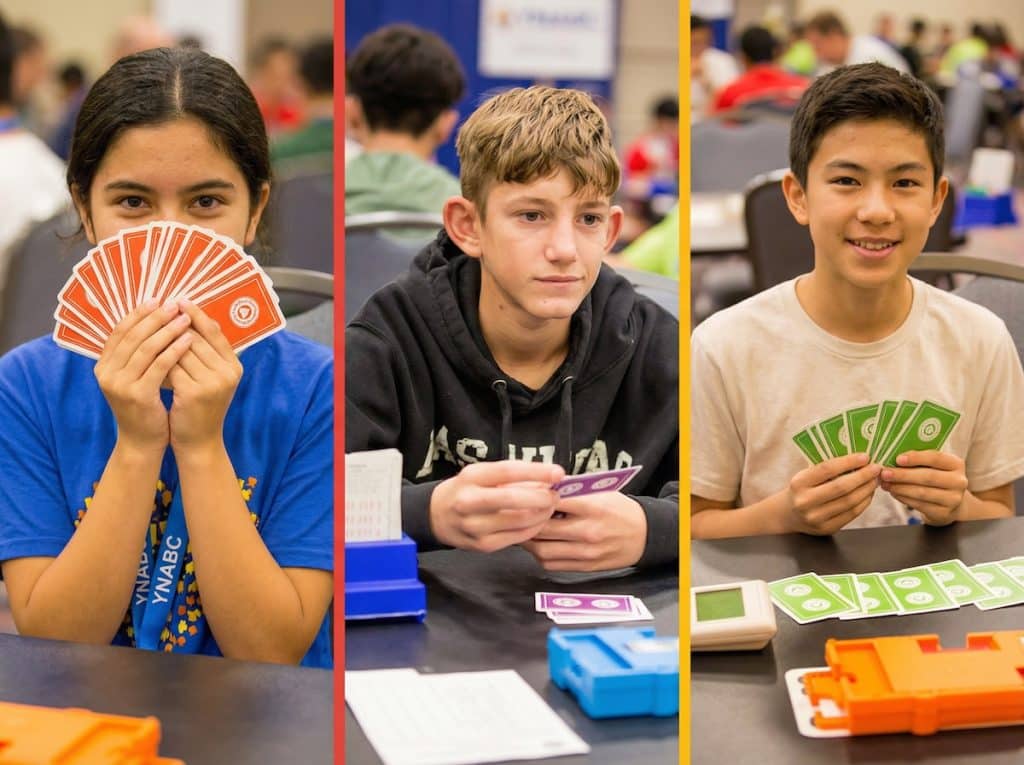
Youth bridge programs boost confidence and skill by blending modern learning hubs, camps, and community support to help the youth grow into strategic thinkers.
You can feel the pulse of Youth Bridge at club nights and in crowded Zoom rooms. This is where you will see teenagers puzzle over trick one and laugh about trick thirteen. With multiple initiatives, many young people are receiving resources, training, and competing opportunities.
As a result, the interest in Bridge games has been on the rise. This is one of the major reasons why Youth Bridge Programs are shaping the future of gaming. Read on to get a better idea of how the process is underway.
Youth Bridge Programs: Major Sources of Momentum
At the outset, a taste for strategy games is already baked into school culture. These include chess clubs, e‑sports labs, and puzzle leagues. Now, Bridge slips into that lane and thrives. Moreover, organizers have become smarter about on‑ramps with shorter sessions, friendlier formats, and clear goals. This way, students can track better.
Also, camps and new learning hubs are increasing in number. For instance, a camp compresses attention and community into a tight loop where you play, reflect, and play again. Kids leave with partners and plans, not just memories.
Meanwhile, learning hubs do similar work for the school year, offering bite‑sized modules and quick feedback. In fact, it acts as a teacher who knows when to stop the Bridge auction and rewind a moment.
The third layer is culture, as you can nudge students with familiar touchpoints, short videos, micro‑lessons, and light competition that still feels social.
Even references from outside the hobby sometimes sneak into the chatter. For instance, someone might compare a lucky top board to the kind of unexpected good break you hear people joking about with Betpanda Casino. This lands in this warm, upbeat way that keeps the table energy light rather than distracted. Basically, the joke becomes a brief flash of positivity that makes beginners feel like they’re already part of the in-crowd.
Key Programs Driving Youth Engagement
The following are the major problems that drive youth engagement in Bridge:
1. School and Learning Hub Initiatives
School programs work because they plug into existing infrastructure. These include room, supervision, and a timetable slot that’s already protected. A teacher or volunteer becomes the Bridge coach. Also, a club gathers twice a week, short and sharp, giving students starter systems with training wheels, natural openings, basic responses, and just a few conventions to avoid overload.
In those cases, a few small choices make a big difference. Printed bidding cards for tactile learners, rotating partners so cliques don’t calcify, and a shared mistakes board where the funniest errors get a sticker and a quick fix.
Thinking of starting a school bridge club or becoming a teacher or coach? Great Bridge Links has a great page of resources titled Youth and Junior Bridge that will get you started.
2. Youth Bridge Camps and Community Activities
Camps take the same ideas and compress them. Three or four days with morning clinics, afternoon team games, and evening pairs events with snacks that somehow fuel both confidence and chaos.
The camp rule is simple: learn one thing deeply each session, practice it immediately, and debrief while it’s still warm in your mind.
Moreover, community centers run similar sprints on weekends. It offers pop‑up tournaments where parents can watch from the edges and see confidence forming in real time.
Thinking of hosting a Youth Bridge Camp?BAMSA has posted a report on Youth Bridge Camps for bridge teachers, volunteers, and stakeholders wh will find practical guidance on resource allocation, planning timelines, and the value of Summer Camps.
Why Does Bridge Appeal to Young Players?
The hook is cognitive, with pattern-hunting, memory under pressure, and communication through a strict code that demands clarity. That’s compelling for students who like constraints paired with creativity.
Moreover, short crash courses make entry painless, online play removes geographic barriers, and analytics provide clear mirrors for improvement. In fact, young minds like feedback that arrives quickly and speaks plainly.
Feature
Bridge
Chess
Team Video Games
Core Skill
Inference plus partnership logic
Calculation and pattern recall
Coordination and timing
Social Depth
High, structured partnership
Moderate, opponent‑focused
High, squad‑focused
Learning Curve
Moderate with modular growth
Moderate to steep at higher levels
Variable with patches
Feedback Style
Post‑hand discussion and review
Post‑game analysis
Real‑time voice and replay
Challenges and Opportunities Ahead
Adoption hurdles persist as teacher bandwidth is tight, and some schools fear steep learning curves. Also, equipment is cheap while time is not. Moreover, perception remains a stubborn obstacle because Bridge feels old to people who have never sat at a table.
The fix is having a lunch‑hour mini‑league, a friendly ladder with badges, or a student team visiting a local club and being treated as equals. This way, volunteers become the hinge. In fact, when a retired player mentors a group for eight weeks, continuity forms. Also, when a regional body lends boards, books, and sample hands, friction evaporates.
Furthermore, scaling requires simplicity. Therefore, maintain a short list of conventions for beginners and use compact tournament formats. Also, publish micro‑goals that give students measurable progress in days rather than months, and keep partnerships steady long enough for trust to develop.
Thinking of becoming a bridge teacher? There are many great resources and you can find them all on our page here: Resources for Bridge Teachers
Way Forward
Youth Bridge grows when the path in is short, the first win arrives early, and the community feels warm without forcing it. In those cases, camps create momentum, hubs sustain it, and schools anchor it.
The next decade will reward programs that treat learning as a living product. It will be iterative, measurable, and more human. So, give young players clear signals, fair challenges, and room to breathe, and they will handle the rest.
A secure sweepstakes experience begins with a slow approach to registration and a fast look at the fine print. By prioritizing encrypted logins and hard...
Bridge Base Online has entered a new era with the launch of GIBBO, a neural-network-powered AI designed to think—and bid—like a human. Plus, we look...
Huff N’ Lots of Puff redefines the slot experience by moving away from passive spinning toward a goal-oriented progression system. Players collect Hard Hats and...
Traditional card games like bridge and whist established a strategic foundation that continues to resonate throughout the modern gaming industry. Beyond the mere mechanics of...
These small-but-mighty titles offer everything from sprawling narrative RPGs to fast-paced platformers, all without demanding a massive hard drive or a high-end graphics card.
Master the Philippines' favorite card game with our easy-to-follow guide. From understanding Tongits rules and mechanics to learning the step-by-step tutorial used by the pros,...