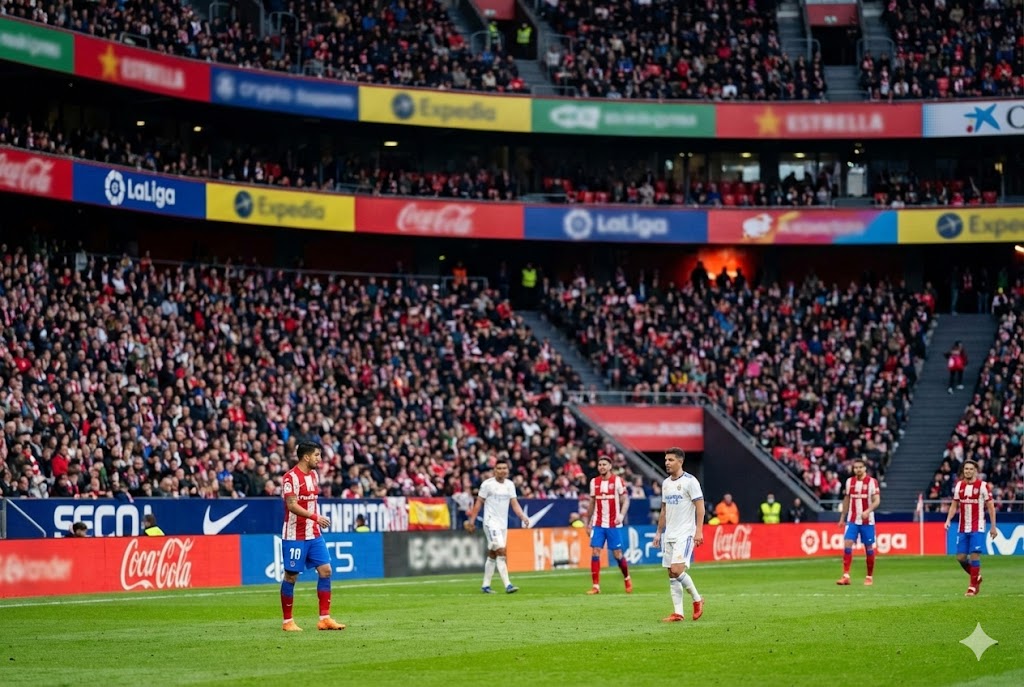
Modern football is saturated with advertising and promotions. Walk into any stadium, even at the grassroots level, and you will be surrounded by advertising boards. Shirt sponsors now appear on the chest, back, arms and even the base of the shirt. Fans are bombarded with logos for everything from betting companies to airlines. Even the matchday programmes are filled with discount codes and coupons. Advertising has become an integral cog in the global football machine.
Fans are used to it. The game has changed a lot in the last two decades, and advertising has become so commonplace that most fans look past it, automatically filtering out the stream and plain ignoring any messaging that does not relate to them. At one point, these messages were intrusive; however, as perceptions have changed, a new normal has been achieved.
Advertising and marketing have been part of the commercial sports landscape since the mid-nineteenth century. However, the first form of sponsorship, as we understand it today, came in the 1960s with pitch-side advertising. The first time this was seen in football was during the 1966 World Cup. This has evolved over the years into modern digital boards that play a rotating string of ads before and during matches.
Shirt sponsors began in 1976 with Kettering Tyres appearing on the shirt of local team Kettering Town. This concept gained popularity, and by the mid-1990s, it was commonplace for a team to have its main sponsor on its chest.
Beyond the kit manufacturer’s logo, this remained the only advertising on shirts until the mid-2010s. Starting in the 2017 season, however, the regulations were changed to allow additional sponsorships on shirt sleeves. Now, the modern game features kits sponsored by companies in every conceivable location.
Away from the action on the pitch, every league and cup is now sponsored or branded in some way. Additionally, broadcasting deals introduce multiple layers of advertising, with sponsors involved in everything from goal replays sponsored by tech companies to man-of-the-match awards sponsored by betting sites to injury updates reported by specific healthcare organizations.
In modern football, every touchpoint between fans and their club can be monetized, from club licensing for merchandise and video game appearances to limited-edition kits and subscription services offering exclusive behind-the-scenes content and interviews. The result is a constant barrage of advertising that hits both those watching in the stadium and those at home.
Despite this saturation, football fans have not become obsessive consumers. In fact, this deluge of advertising has made promotional literacy a vital life skill. Fans think before they buy. They spend time comparing kit prices across different retailers and hunting down early-bird pricing for season or match-day tickets. Many fans are part of other online communities, from WhatsApp groups with friends to Discord or social media groups. Here, it is common for people to share codes and discounts they find online to ensure everyone has the chance to save money.
In turn, these fan behaviours provide clubs and agencies with valuable data for analysis, enabling them to segment their audience based on commonalities such as spending patterns. The result is more specific advertising efforts with offers tailored to meet the different segment ideals. Kids will see adverts for streetwear, trendy pop-culture collaborations and youth apparel. At the same time, corporate clients will be targeted for specific events and hospitality services.
This process not only means that adverts become slightly less overwhelming as more are directly targeted to the individual, but also further normalizes the fact that any interaction with a club has commercial intent. These filtering instincts don’t disappear when fans close their club apps or leave the stadium.
This ability to filter through the adverts and make informed decisions rather than rash purchases has changed consumer behaviour away from the game, too. Fans use the same tactics to navigate everything from entertainment and leisure platforms to retail deals and free trials with sneaky auto-renewal clauses for all manner of apps and online services.
This savviness is vital when dealing with exclusive, limited-time deals and gamified loyalty programs that compel you to keep spending.
Music festivals and events regularly partner with payment processing platforms to offer cashback on ticket purchases. Airlines use individual browsing histories to send personalized fare alerts and prices to customers, while fintech companies are teaming with fitness platforms to create cross-promotional bundles. These work on the same principle that fans have learned through football. Partnerships are prime ground for offering value for money to brands and customers alike.
These promotional patterns extend across digital entertainment platforms as well. For instance, the casino offers selected by Casinos.com place heavy emphasis on sign-up bonuses to entice new customers onto their platform. Online casinos have long shared a close link with football, as many platforms have existing affiliate partnerships with football-focused domains.
With fans already well-versed in the comparative requirements for navigating adverts, these sites offer a wide range of bonuses and benefits, from free spins to multipliers. These are not only done to tempt new users to create accounts, but also because digital natives have learned to expect promotions tied to any account-based service.
As technology continues to advance and intertwine itself through all walks of life, promotional exposure will only deepen. Augmented reality is already used in stadium apps and is used during live broadcasts to layer stats and other analytical details onto the live view. Additionally, many premier league clubs have launched NFT collections and other blockchain-based tokens that unlock exclusive content or even the ability to cast a vote on certain club decisions.
Football is a great proving ground for promotional experimentation, with a dedicated and passionate fanbase and global appeal. When clubs implement a new promotional strategy or launch a successful marketing approach, other industries take notice.
Football fans are ad-savvy and highly critical of offers. They have learned to dig deeper, to analyse what they are shown to make their own informed decisions. As promotional integration continues to further embed itself across multiple markets, the experience fans have gained navigating football’s commercial ecosystem will help them in all areas of life beyond football.